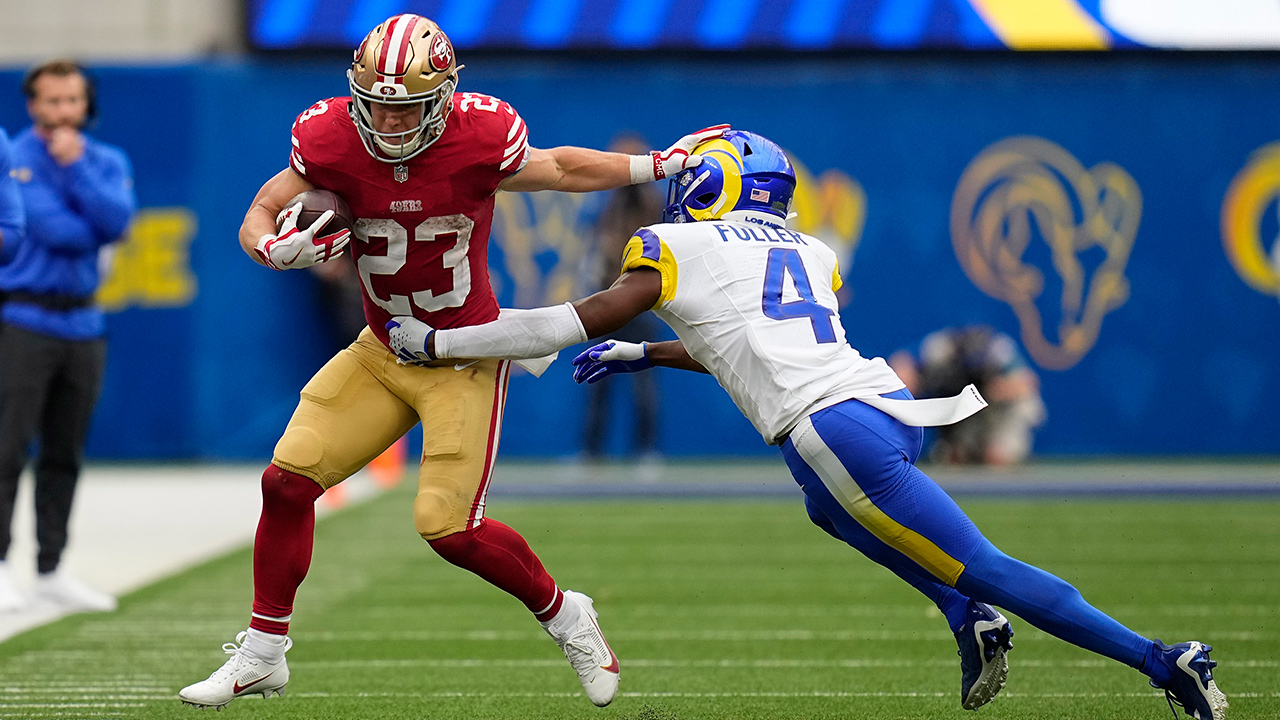
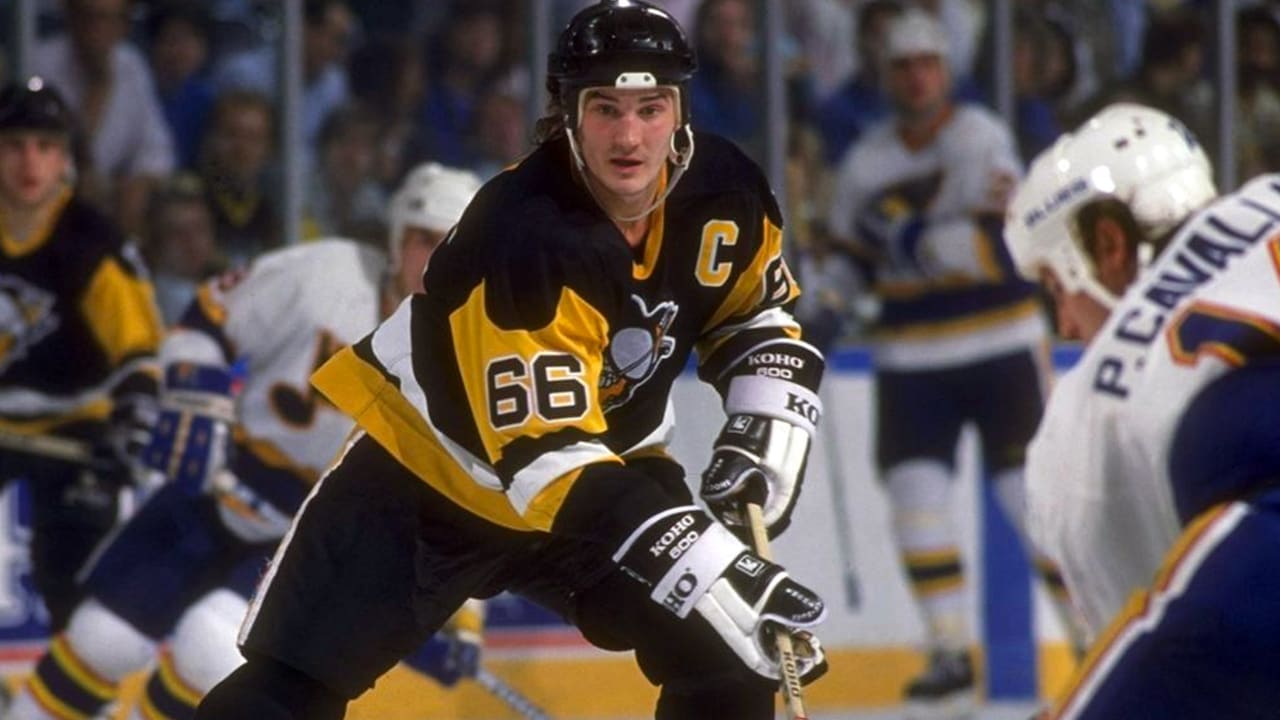
If we could tear a hole in the space-time continuum and bring together the last 50 years of hockey greatness, the 2026 Milano Games would look less like a tournament and more like a gathering of gods.
The rule for this “Dream Tournament” is simple: We are drafting the best players from each nation between 1976 and 2026, taking them at their absolute physical peak.
Team Canada: The “Impossible Depth”
Trying to cut a defenseman from this roster is like trying to pick a preferred oxygen molecule—it’s all essential. Canada’s team is a terrifying blend of 80s firepower, 2000s grit, and 2020s speed.
-
The First Line: Mario Lemieux — Wayne Gretzky — Connor McDavid. > Byline: The “Great One” and “Super Mario” together with McDavid? This line doesn’t just score; it bankrupts the opposing team’s ego.
-
The “Clutch” Line: Sidney Crosby — Nathan MacKinnon — Jerome Iginla.
-
The Blue Line: Nicklas Lidstrom (wait, he’s Swedish… let’s go Chris Pronger) and Bobby Orr (just made the 50-year cut-off).
-
In Net: Martin Brodeur (Backup: Patrick Roy).
-
The Identity: Pure, unadulterated dominance. This team doesn’t have a “weak” fourth line; they have a fourth line of Hall of Fame captains.
Team USA: The “Miracle Evolution”
This roster bridges the gap between the scrappy college kids of Lake Placid and the high-octane NHL superstars of today.
-
The Top Trio: Patrick Kane — Auston Matthews — Mike Modano.
Byline: This line represents three different eras of American skill: Kane’s hands, Matthews’ shot, and Modano’s effortless stride.
-
The 1980 Heart: Mike Eruzione. He’s the 13th forward for the vibes alone—you need someone who knows how to slay giants.
-
The Blue Line: Brian Leetch and Chris Chelios. The “Godfathers” of American defense.
-
In Net: Ryan Miller (2010 peak) or Connor Hellebuyck.
-
The Identity: Speed and chip-on-the-shoulder intensity. They are built to thrive as the “underdog” even when they aren’t one.
Team Sweden: The “Symphony of Skill”
Sweden wins the award for “Most Beautiful Hockey Played.” Their roster is a masterclass in puck possession and defensive IQ.
-
The Top Trio: Peter Forsberg — Mats Sundin — Daniel Sedin.
Byline: Forsberg brings the “bulldog” mentality, while Sundin provides the steady leadership that defined Tre Kronor for decades.
-
The Blue Line: Nicklas Lidstrom and Erik Karlsson.
Byline: This might be the greatest D-pair in history. Lidstrom never makes a mistake; Karlsson makes the other team pay for theirs.
-
In Net: Henrik Lundqvist. “The King” in his 2006 Gold Medal form.
-
The Identity: You will never touch the puck. They will pass it around you until you decide to go home and take up tennis.
Team Russia: The “Red Machine Reborn”
Combining the tactical discipline of the Soviet era with the “pure goal-scoring” chaos of the modern Russian star.
-
The Top Trio: Sergei Makarov — Igor Larionov — Vladimir Krutov.
Byline: The legendary “KLM Line.” They played as if they shared a single brain.
-
The Modern Heat: Alexander Ovechkin and Pavel Bure.
Byline: Imagine Ovechkin’s one-timer on one side and the “Russian Rocket’s” speed on the other. It’s unfair.
-
In Net: Vladislav Tretiak. > Byline: Still widely considered the greatest goalie to never play a full NHL career.
-
The Identity: Artistic aggression. They will score five goals that look like ballet and then hit you like a freight train.
Team Finland: The “Sisu” Wall
Finland’s all-time team is the one that no one wants to play in a single-elimination game. They are the ultimate “Giant Killers.”
-
The Legends: Teemu Selanne and Jari Kurri.
Byline: The “Finnish Flash” and the man who was Gretzky’s right hand.
-
The Center: Saku Koivu. The undisputed heart of Finnish hockey.
-
The Identity: Goaltending. Between Tuukka Rask, Pekka Rinne, and Miikka Kiprusoff, you aren’t scoring more than two goals.
The Final Simulation
In a gold medal game between All-Time Canada and All-Time Russia, the score would likely be 6-5 in triple overtime. While Russia has the flash, Canada’s depth on defense (Niedermayer, Pronger, Bourque, Coffey) usually tips the scale.