
The 2026 NFL running back landscape is an electric mix of established, pass-catching superstars and a highly touted rookie class that has completely reshaped depth charts across the league following the draft.
Here is the early pre-season top-30 fantasy football running back board for the 2026 campaign, broken down by projection tiers.
Tier 1: The Overall RB1 Favorites
These are the rare, three-down anchors who dominate both target share and goal-line opportunities.
-
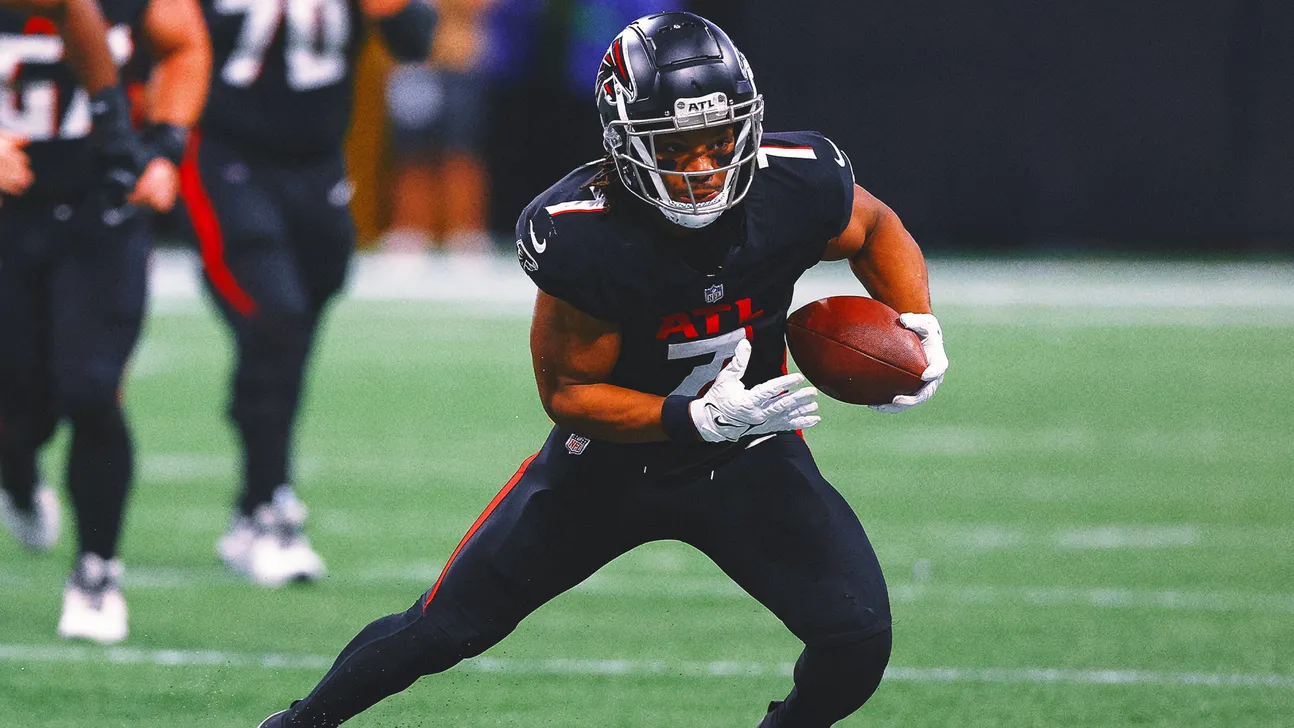
Bijan Robinson (Atlanta Falcons): The gold standard of modern fantasy football, Robinson’s elite route-running and massive volume give him the safest floor and highest ceiling in the league.
-
Jahmyr Gibbs (Detroit Lions): Coming off a spectacular 2025 season with 18 total touchdowns, Gibbs operates in a top-tier offense that maximizes his generational explosiveness.
-
Christian McCaffrey (San Francisco 49ers): While entering his age-30 season brings natural health warnings, CMC remains an absolute cheat code whenever he is on the field.
Tier 2: Elite High-Volume Starters
You can comfortably build a championship roster around these high-end RB1 options.
-
Jonathan Taylor (Indianapolis Colts): A pure rushing workhorse who dominated red-zone carries last year; his lack of a heavy target share is the only thing keeping him out of Tier 1.
-
De’Von Achane (Miami Dolphins): With game-breaking speed that treats every touch like a home-run threat, Achane projects as a massive PPR asset who can win matchups single-handedly.
-
James Cook (Buffalo Bills): Cook led the league in rushing yards last season, though he will now yield some early-down snaps to Buffalo’s shiny new rookie class.
-
Ashton Jeanty (Las Vegas Raiders): The offensive line should be improved and if they get any kind of consistent QB play out of Mendoza he should have a much better year 2.
-
Chase Brown (Cincinnati Bengals): After a blistering final month to the 2025 season, Brown enters training camp poised to inherit the true bell-cow role in Cincinnati.
-
Omarion Hampton (Los Angeles Chargers): Injuries hampered his rookie year, but a fully healthy Hampton is expected to be the centerpiece of Jim Harbaugh’s physical, run-heavy scheme.
-
Saquon Barkley (Philadelphia Eagles): His volume remains incredibly secure in Philly, though his ultimate ceiling depends on the Eagles bouncing back in overall offensive efficiency.
Tier 3: High-Upside RB2s & Rookie Phenoms
This group offers a perfect mix of reliable veteran floors and explosive rookie ceilings.
-
Kenneth Walker III (Kansas City Chiefs): Joining the Chiefs’ explosive offense gives Walker an immediate spike in scoring opportunities, making him a touchdown machine.
-
Jeremiyah Love (Arizona Cardinals): The highly touted rookie joins a retooled Cardinals offense where his raw athleticism gives him a clear path to dominating touches by October.
-
Derrick Henry (Baltimore Ravens): Father Time still hasn’t caught the “King.” His ironclad grip on Baltimore’s goal-line work guarantees massive double-digit touchdown upside.
-
Josh Jacobs (Green Bay Packers): Jacobs will handle the heavy lifting and short-yardage work for a high-scoring Packers offense that frequently puts him in scoring position.
-
TreVeyon Henderson (Baltimore Ravens): Operating as the “Lightning” to Henry’s “Thunder,” Henderson holds immense PPR value as a dangerous pass-catching weapon out of the backfield.
-
Kyren Williams (Los Angeles Rams): Williams remains a steady producer in Sean McVay’s system, though his total volume faces slight adjustments with the Rams’ new-look passing game.
-
Breece Hall (New York Jets): Playing behind a heavily upgraded Jets offensive line, Hall is a dynamic weapon capable of breaking a 70-yard touchdown at any moment.
-
Bucky Irving (Tampa Bay Buccaneers): Irving quietly put together a highly efficient season and enters 2026 with a firm grasp on the Buccaneers’ primary rushing duties.
-
Quinshon Judkins (Cleveland Browns): Year 2 should be improved, likely taking over early-down grinding duties behind a top-tier line.
-
Travis Etienne Jr. (New Orleans Saints): Transitioning into a revamped Saints offense, Etienne’s fantasy value relies heavily on maintaining his elite role in the screen game.
Tier 4: Reliable Flex & Depth Options
These players provide excellent roster depth and reliable weekly flex floors.
-
Javonte Williams (Dallas Cowboys): Williams gets a fresh start in Dallas and should easily dominate the goal-line work for a perennially high-scoring offense.
-
Cam Skattebo (New York Giants): The hard-nosed runner brings a physical identity to New York and figures to be heavily involved on third downs.
-
David Montgomery (Houston Texans): Moving to Houston, Montgomery will serve as a reliable, tough-yardage complement to a highly explosive Texans passing game.
-
RJ Harvey (Denver Broncos): Harvey is a savvy target who could easily outperform his draft position in Sean Payton’s running back-friendly system.
-
Bhayshul Tuten (Jacksonville Jaguars): Tuten steps into a high-volume depth role with the immediate upside to take over the backfield if injuries strike ahead of him.
-
D’Andre Swift (Chicago Bears): Swift will split touches in a crowded Chicago backfield, but his open-field elusiveness keeps his weekly flex value alive.
-
Chuba Hubbard (Carolina Panthers): Hubbard continues to be an underrated volume play who will reliably grind out tough yards for a rebuilding roster.
-
Jaylen Warren (Pittsburgh Steelers): With the Steelers aggressively upgrading their offensive front, Warren will find plenty of massive, newly created running lanes.
-
Kyle Monangai (Chicago Bears): A physical, old-school runner who will handle the dirty work and short-yardage situations for the Bears.
-
Rhamondre Stevenson (New England Patriots): tasking with protecting a young offense, Stevenson will be heavily relied upon to move the chains, though his ceiling remains capped by the team’s offensive transition.
See today's NFL lines on DFS Lines, each one set against the player's last ten games.