
The bracket is set, the bubbles have burst, and the 2026 NCAA Tournament field is officially wide open. Selection Sunday delivered its usual mix of celebration and heartbreak, but this year’s committee threw several curveballs—specifically regarding a 31-win mid-major and the omission of some historical powerhouses.
Here is the strategic analysis of the 2026 March Madness bracket.
The No. 1 Seeds: The Favorites
For the first time in years, the committee stayed largely “chalk” at the very top, though health concerns are already casting a shadow over the overall #1.
-
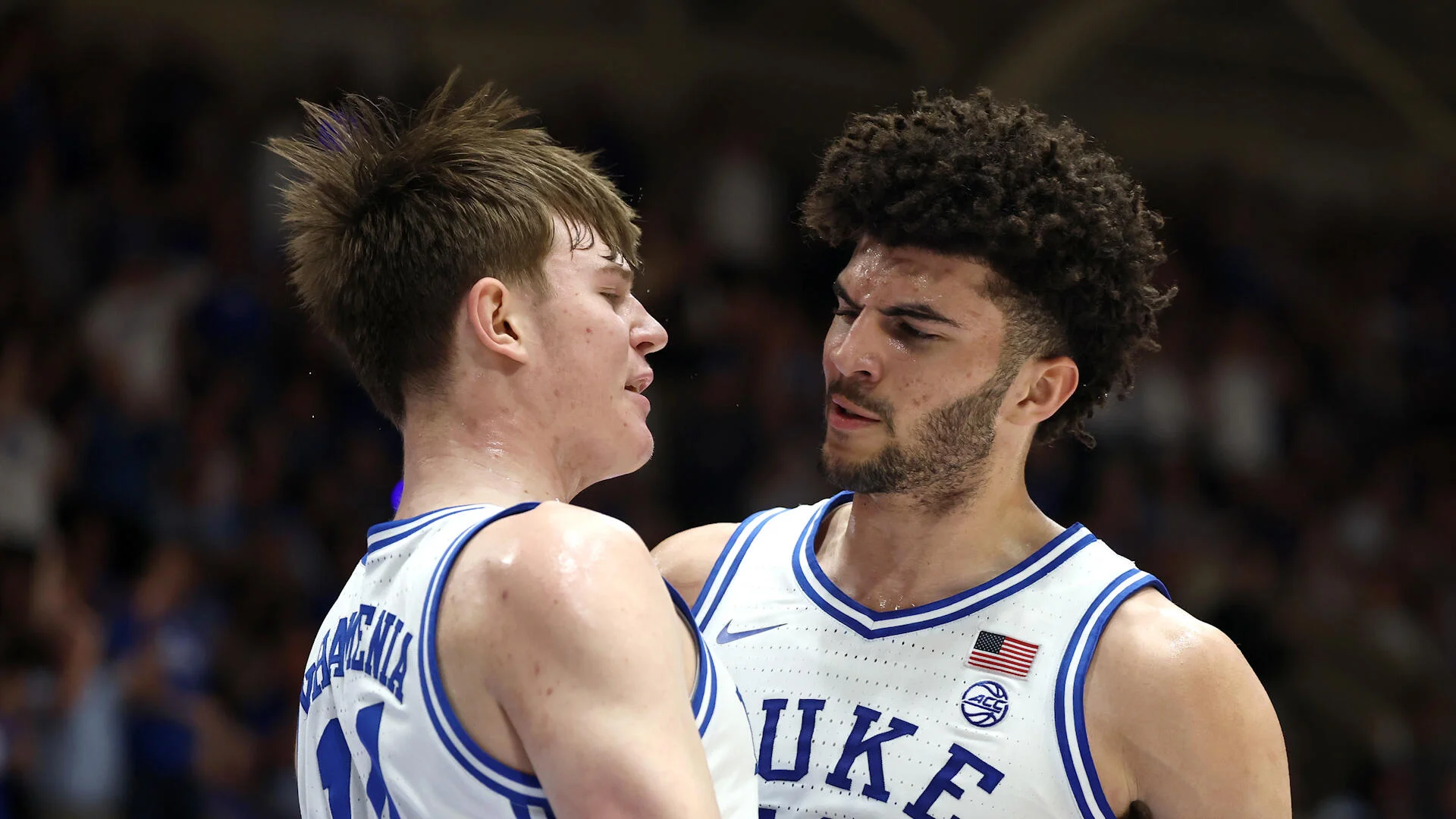
East: Duke (32-2) – Overall No. 1 Seed: The Blue Devils dominated the ACC, but they enter the tournament wounded. Key injuries to Caleb Foster and Patrick Ngongba make them the most vulnerable top seed in the field.
-
West: Arizona (32-2): Many analysts argue the Wildcats are the true team to beat. They emerged from a brutal Big 12 schedule battle-tested and healthy.
-
Midwest: Michigan (31-3): Despite a late stumble in the Big Ten title game to Purdue, the Wolverines’ body of work was too strong to ignore.
-
South: Florida (26-7): The defending national champions earned the final #1 spot. They won 17 of their last 18 games, proving they have the “tournament DNA” required to repeat.
The “Miami (OH)” Mystery
The most discussed seed in the 2026 bracket isn’t a #1; it’s the #11 seed in the Midwest: Miami (Ohio).
-
The Resume: The RedHawks went an astounding 31-0 in the regular season before a shock loss in the MAC quarterfinals.
-
The Seed: Despite the 31-1 record, the committee cited a “historically weak” strength of schedule, forcing them into a First Four matchup against SMU.
-
The Verdict: This is a “disrespect” storyline that could fuel a massive run, or a sign that the RedHawks are in over their heads against Power 4 athletes.
The Snub List: Heartbreak in the Heartland
The “First Four Out” this year features some of the biggest names in college basketball, sparking immediate controversy.
-
Auburn (17-16): The highest-rated team in KenPom history (#38) to ever be left out. Their 16 losses were simply too many for the committee to stomach, despite a Top-3 strength of schedule.
-
Indiana (18-14): A late-season collapse (losing 6 of their last 7) proved fatal. A disastrous Quad 2 loss to Northwestern in the Big Ten Tournament was the final nail in the coffin.
-
Oklahoma (19-15): Despite a late six-game win streak, the Sooners couldn’t overcome a mid-season nine-game losing skid.
-
San Diego State (22-11): For the first time since 2019, the Aztecs will miss the Big Dance.
Upset Alerts & Dark Horses
The 12-over-5 Tradition
-
Northern Iowa (12) over St. John’s (5): Northern Iowa is a disciplined, high-IQ team facing a Rick Pitino squad that has struggled with offensive consistency away from Madison Square Garden.
-
McNeese (12) over Vanderbilt (5): Vandy is coming off an emotional high after beating Florida in the SEC tournament. This is a classic “letdown” spot against a dangerous mid-major.
The Dangerous “Underseeds”
-
UCLA (7-Seed, East): Don’t let the seed fool you. The Bruins have the defensive efficiency of a top-3 seed and a path that avoids Duke until the Sweet 16.
-
Louisville (6-Seed, East): Ranked 19th in offensive efficiency, the Cardinals have the firepower to blow past a wounded Duke team in the second round.
Regional “Path of Least Resistance”
The South Region looks like a absolute gauntlet. With Florida (#1), Houston (#2), Illinois (#3), and North Carolina (#6), that quadrant features four teams that spent time in the Top 10 this season. If you are looking for a “Cinderella” to emerge, the Midwest (Michigan’s region) looks the most volatile, especially if Miami (OH) survives the First Four.