
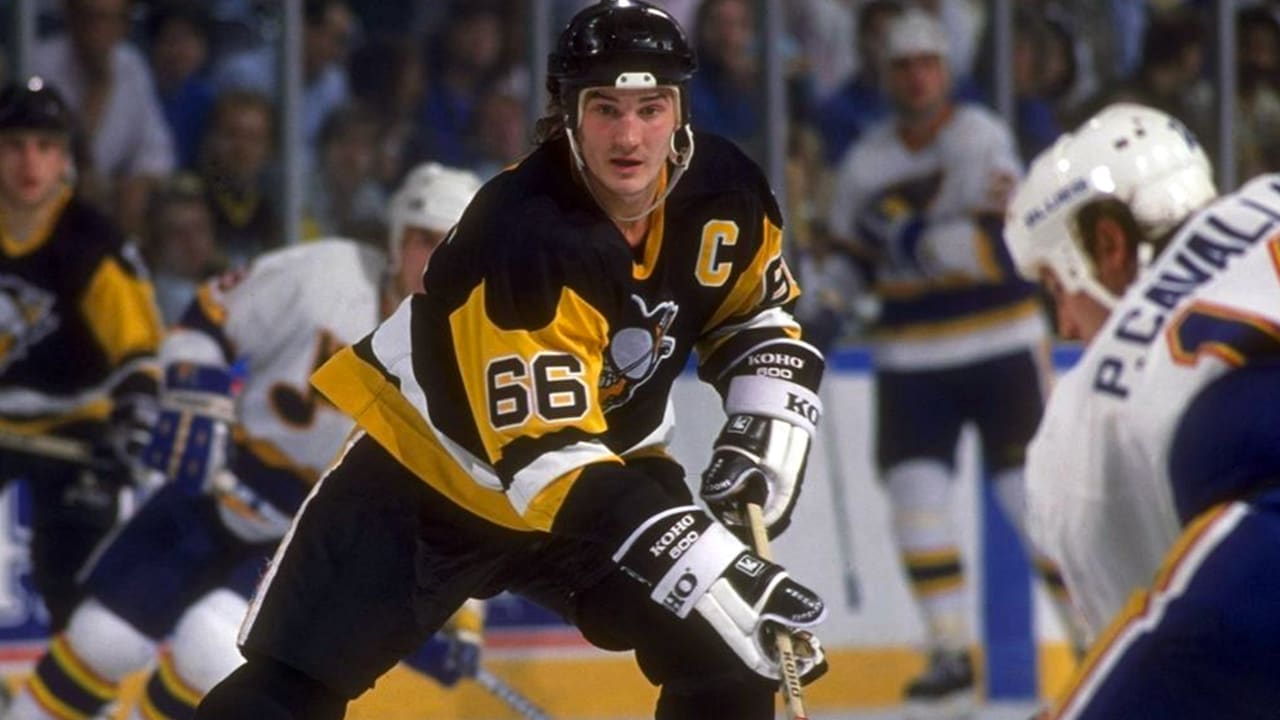
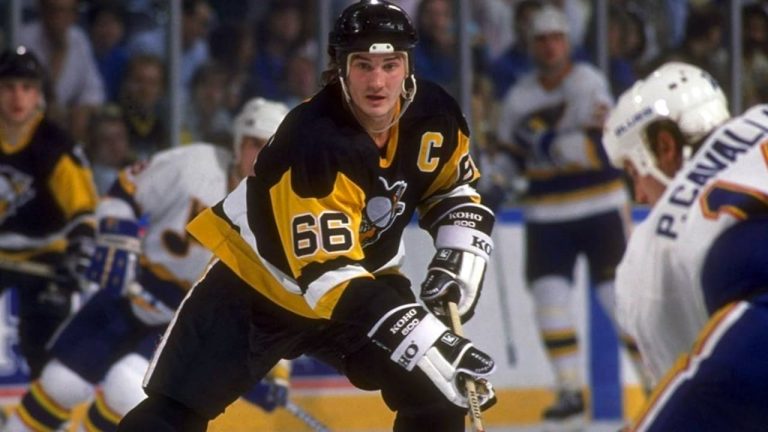
If we could tear a hole in the space-time continuum and bring together the last 50 years of hockey greatness, the 2026 Milano Games would look less like a tournament and more like a gathering of gods.
The rule for this “Dream Tournament” is simple: We are drafting the best players from each nation between 1976 and 2026, taking them at their absolute physical peak.
Team Canada: The “Impossible Depth”
Trying to cut a defenseman from this roster is like trying to pick a preferred oxygen molecule—it’s all essential. Canada’s team is a terrifying blend of 80s firepower, 2000s grit, and 2020s speed.
-
The First Line: Mario Lemieux — Wayne Gretzky — Connor McDavid. > Byline: The “Great One” and “Super Mario” together with McDavid? This line doesn’t just score; it bankrupts the opposing team’s ego.
-
The “Clutch” Line: Sidney Crosby — Nathan MacKinnon — Jerome Iginla.
-
The Blue Line: Nicklas Lidstrom (wait, he’s Swedish… let’s go Chris Pronger) and Bobby Orr (just made the 50-year cut-off).
-
In Net: Martin Brodeur (Backup: Patrick Roy).
-
The Identity: Pure, unadulterated dominance. This team doesn’t have a “weak” fourth line; they have a fourth line of Hall of Fame captains.
Team USA: The “Miracle Evolution”
This roster bridges the gap between the scrappy college kids of Lake Placid and the high-octane NHL superstars of today.
-
The Top Trio: Patrick Kane — Auston Matthews — Mike Modano.
Byline: This line represents three different eras of American skill: Kane’s hands, Matthews’ shot, and Modano’s effortless stride.
-
The 1980 Heart: Mike Eruzione. He’s the 13th forward for the vibes alone—you need someone who knows how to slay giants.
-
The Blue Line: Brian Leetch and Chris Chelios. The “Godfathers” of American defense.
-
In Net: Ryan Miller (2010 peak) or Connor Hellebuyck.
-
The Identity: Speed and chip-on-the-shoulder intensity. They are built to thrive as the “underdog” even when they aren’t one.
Team Sweden: The “Symphony of Skill”
Sweden wins the award for “Most Beautiful Hockey Played.” Their roster is a masterclass in puck possession and defensive IQ.
-
The Top Trio: Peter Forsberg — Mats Sundin — Daniel Sedin.
Byline: Forsberg brings the “bulldog” mentality, while Sundin provides the steady leadership that defined Tre Kronor for decades.
-
The Blue Line: Nicklas Lidstrom and Erik Karlsson.
Byline: This might be the greatest D-pair in history. Lidstrom never makes a mistake; Karlsson makes the other team pay for theirs.
-
In Net: Henrik Lundqvist. “The King” in his 2006 Gold Medal form.
-
The Identity: You will never touch the puck. They will pass it around you until you decide to go home and take up tennis.
Team Russia: The “Red Machine Reborn”
Combining the tactical discipline of the Soviet era with the “pure goal-scoring” chaos of the modern Russian star.
-
The Top Trio: Sergei Makarov — Igor Larionov — Vladimir Krutov.
Byline: The legendary “KLM Line.” They played as if they shared a single brain.
-
The Modern Heat: Alexander Ovechkin and Pavel Bure.
Byline: Imagine Ovechkin’s one-timer on one side and the “Russian Rocket’s” speed on the other. It’s unfair.
-
In Net: Vladislav Tretiak. > Byline: Still widely considered the greatest goalie to never play a full NHL career.
-
The Identity: Artistic aggression. They will score five goals that look like ballet and then hit you like a freight train.
Team Finland: The “Sisu” Wall
Finland’s all-time team is the one that no one wants to play in a single-elimination game. They are the ultimate “Giant Killers.”
-
The Legends: Teemu Selanne and Jari Kurri.
Byline: The “Finnish Flash” and the man who was Gretzky’s right hand.
-
The Center: Saku Koivu. The undisputed heart of Finnish hockey.
-
The Identity: Goaltending. Between Tuukka Rask, Pekka Rinne, and Miikka Kiprusoff, you aren’t scoring more than two goals.
The Final Simulation
In a gold medal game between All-Time Canada and All-Time Russia, the score would likely be 6-5 in triple overtime. While Russia has the flash, Canada’s depth on defense (Niedermayer, Pronger, Bourque, Coffey) usually tips the scale.
See today's NHL lines on DFS Lines, each one set against the player's last ten games.