
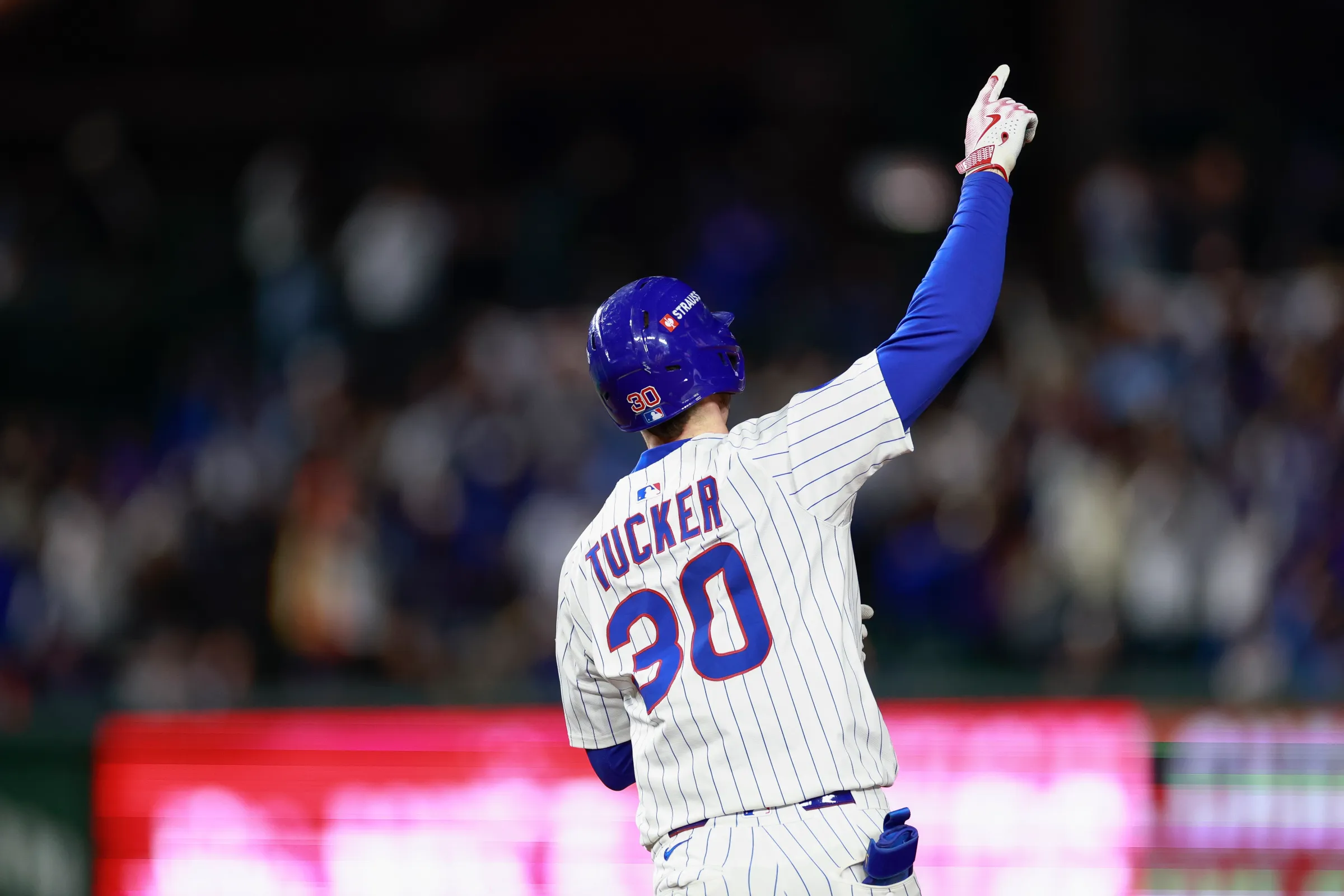
The Los Angeles Dodgers’ recent signing of star outfielder Kyle Tucker to a four-year, $240 million contract has reignited one of the most polarizing debates in sports: Are the Dodgers an aspirational model of success, or are they effectively “breaking” Major League Baseball?
With a projected 2026 luxury tax payroll exceeding $413 million—nearly $100 million more than any other team—the Dodgers are operating in a financial stratosphere of their own. Here is a look at the arguments for and against the Dodgers’ impact on the game.
The Pro-Spending Argument: Why They Are Saving Baseball
1. Reinvesting in the Product
The Dodgers’ ownership, Guggenheim Baseball Management, treats the team as a premier entertainment product rather than a cost-saving venture. While many owners across the league pocket shared revenue and prioritize profit margins, the Dodgers reinvest their massive revenues ($752M in 2024) back into the roster.
-
The Stat: The Dodgers and Blue Jays spent over 70% of their 2024 revenue on 2025 payroll. By contrast, nearly two-thirds of MLB teams spend less than 50% of their revenue on players.
2. Driving Global Interest and Viewership
Far from “ruining” interest, the Dodgers’ “Superteam” status has driven MLB to record heights.
-
Attendance: In 2025, the Dodgers became the first team in 17 years to draw over 4 million fans at home and also led the league in road attendance.
-
Viewership: The 2025 World Series saw a peak of 31.5 million viewers for Game 7. Star power, specifically Shohei Ohtani and now Kyle Tucker, draws casual fans and international audiences (particularly in Japan and Mexico) that wouldn’t otherwise tune into baseball.
3. Funding the Rest of the League
The Dodgers pay a staggering “success tax.” In 2025, they paid over $169 million in luxury tax. This money doesn’t disappear; it is redistributed to smaller-market teams and the supplemental commissioner’s fund. In essence, the Dodgers’ spending directly subsidizes the operations of teams like the Pirates, Marlins, and Athletics.
The Anti-Spending Argument: Why They Are Ruining Baseball
1. The Death of Competitive Balance
When one team can afford seven of the 30 largest contracts in the sport, the “playing field” is no longer level. Tucker’s deal carries a $57.1 million net present value (AAV), the highest in history.
-
The Gap: The Dodgers’ tax payroll is roughly 4x larger than the bottom five teams in the league. For fans of teams like the Guardians or Rays, the idea of competing for a top-tier free agent like Tucker is a financial impossibility, creating a “haves and have-nots” dynamic that alienates small-market fanbases.
2. The “Superteam” Monopoly on Talent
There is a growing concern that top free agents aren’t just choosing the highest bidder, but are actively gravitating to Los Angeles to “buy” a championship. Kyle Tucker reportedly turned down a massive $220M offer from the Mets—a high-spending team in its own right—to join a Dodgers lineup that already features Ohtani, Betts, Freeman, and Smith. This concentration of talent can make the regular season feel like a formality.
3. Forcing a Potential Lockout
The Dodgers’ aggressive use of contract deferrals (most notably Shohei Ohtani’s $680M in deferred money) and record-shattering AAVs for short-term deals like Tucker’s are seen by some owners as “circumventing” the spirit of the Collective Bargaining Agreement (CBA).
-
The Fallout: Industry insiders suggest this level of spending is the primary catalyst for a looming 2027 lockout, as other owners will likely push for a “hard” salary cap to rein in the Dodgers’ spending power.
The Verdict: A League of Two Realities
Whether the Dodgers are “ruining” baseball depends on your perspective.
-
For the casual fan: They are a must-watch juggernaut that brings excitement and star power to a sport often criticized for being too slow.
-
For the purist: They represent a broken system where the “Lombardi Trophy” is increasingly becoming something that can be purchased rather than built.
As they chase a “three-peat” in 2026, the Dodgers aren’t just playing against the rest of the league—they are testing the very limits of how Major League Baseball is structured.